
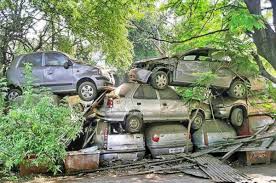
In the global pursuit of sustainable practices, the significance of car scrapping as a means of waste reduction and recycling cannot be overstated. This process, when approached with environmental consciousness, holds substantial potential to alleviate the burden on landfills, conserve resources, and foster a circular economy. Click for more information as this article explores the environmental significance of car scrapping in the context of waste reduction and recycling.
1. Minimizing Landfill Impact:
a. Avoiding End-of-Life Vehicle Accumulation:
Car scrapping is instrumental in preventing the accumulation of end-of-life vehicles in landfills. These vehicles, if not properly disposed of, contribute to soil contamination and take up valuable space. Through responsible scrapping practices, the majority of a car’s components can be recycled or repurposed, diverting substantial waste from landfills and minimizing the environmental footprint.
b. Reducing Non-Biodegradable Waste:
Automobiles consist of a variety of materials, including metals and plastics. Non-biodegradable components, if not recycled, persist in landfills for extended periods. Car scrapping mitigates this by efficiently extracting and recycling materials, significantly reducing the volume of non-biodegradable waste in disposal sites.
2. Circular Economy Principles:
a. Reusing Functional Components:
Car scrapping involves the careful assessment and extraction of components that can be refurbished and reused. This not only extends the lifespan of these parts but also reduces the demand for new manufacturing. Embracing circular economy principles, this approach ensures that the value of materials is maximized, contributing to a more sustainable and resource-efficient system.
b. Material Recycling and Repurposing:
The materials within a car, such as steel, aluminum, and plastics, can be recycled and repurposed in various industries. Recycling these materials reduces the need for virgin resources, conserving energy and minimizing the environmental impact of extraction and production processes.
3. Energy Conservation:
a. Reducing Energy Intensity in Manufacturing:
The recycling of metals from scrapped cars significantly lowers the energy intensity required for manufacturing. Compared to extracting metals from raw ores, recycling processes are more energy-efficient. By incorporating recycled materials into production, the automotive industry can contribute to energy conservation and a reduction in carbon emissions.
b. Promoting Sustainable Practices:
Car scrapping is a key player in promoting sustainable practices within the automotive industry. As recycling technologies advance, there is an increasing emphasis on incorporating eco-friendly methods in the scrapping process. This not only reduces the environmental impact of vehicle disposal but also sets a precedent for sustainable practices throughout the entire lifecycle of automobiles.
Car scrapping stands at the intersection of waste reduction and recycling, embodying a transformative approach to end-of-life vehicle management. The environmental significance of responsible scrapping extends beyond waste disposal, encompassing resource conservation, energy efficiency, and the promotion of a circular economy. As societies and industries increasingly prioritize sustainability, car scrapping emerges as a pivotal component in the journey towards a more environmentally conscious and resilient future.