
In the realm of hydration, the choice of water goes beyond quenching thirst—it extends to considering the pH levels of the water you consume. Distilled water, often hailed for its purity, raises questions about its pH and potential effects on the body. This comprehensive article delves into the intricacies of distilled water ph, its implications, and the science behind understanding its role in maintaining optimal health.
Unveiling Distilled Water
The Purity of Distillation
Distilled water is created through a meticulous process of distillation, which involves boiling water to produce steam and then condensing the steam back into water. This method effectively removes impurities, minerals, and contaminants, resulting in a remarkably pure form of water. However, this high level of purity also raises concerns about the water’s pH balance and potential effects on the body’s acid-base equilibrium.
Understanding pH: The Basics
The pH Spectrum
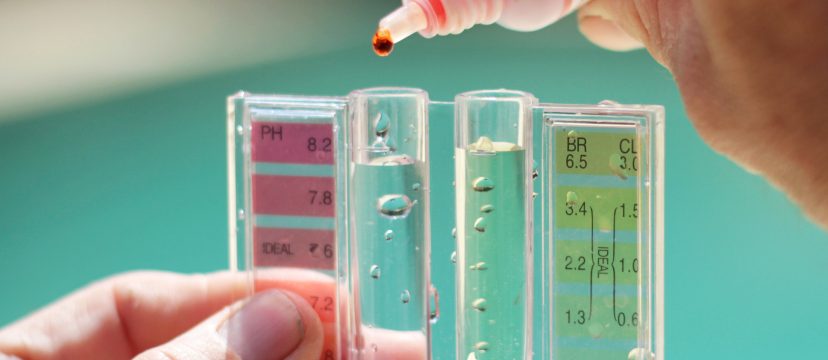
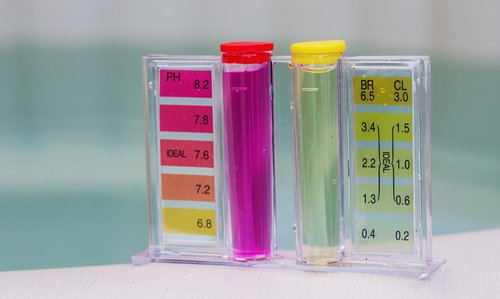
pH is a measure of the acidity or alkalinity of a substance, indicating the concentration of hydrogen ions. The pH scale ranges from 0 to 14, with values below 7 considered acidic, 7 being neutral, and values above 7 considered alkaline (or basic).
The Human Body’s pH Regulation
The human body carefully regulates pH levels to maintain optimal functioning. Blood, for instance, maintains a slightly alkaline pH between 7.35 and 7.45. Various bodily systems work in harmony to ensure this balance, including the respiratory and renal systems. Imbalances in pH can have profound effects on biochemical reactions, enzyme activity, and overall health.
Distilled Water pH: Debunking Myths
Neutral Nature of Distilled Water
Contrary to some misconceptions, distilled water is not inherently acidic. In fact, its pH tends to be neutral or close to 7. However, due to its lack of minerals, distilled water can become acidic when exposed to carbon dioxide from the air, which forms carbonic acid. This interaction is minimal and unlikely to have a significant impact on overall body pH levels.
Short-Term vs. Long-Term Effects
Drinking distilled water for short periods is unlikely to cause notable disruptions in the body’s pH balance. The kidneys and lungs are adept at maintaining pH equilibrium, even when consuming various types of water. However, exclusively drinking distilled water over the long term could potentially lead to mineral imbalances, as minerals obtained from water play a role in various bodily functions.
Balancing the Equation: The Role of Diet
Holistic Approach to pH Balance
While water pH can influence overall pH levels in the body, it’s important to note that diet plays a more substantial role. Consuming a balanced diet rich in fruits, vegetables, and whole foods contributes to alkalinity in the body. Conversely, excessive consumption of acidic foods and beverages can shift the pH balance toward acidity.
Personal Variations
Individual responses to water pH can vary based on genetics, overall health, and lifestyle factors. Some people may be more sensitive to changes in pH, while others may adapt more easily. Listening to your body’s cues and maintaining a diverse and balanced diet are key to supporting overall health.
Hydration and Wellness: The Bottom Line
Prioritizing Hydration
Staying well-hydrated is vital for optimal health, and the type of water you choose can play a role in this endeavor. While distilled water’s neutral pH is unlikely to cause significant disruptions in short-term consumption, it’s advisable to incorporate a variety of water sources into your hydration routine to ensure mineral intake.
Holistic Approach to Well-Being
Ultimately, achieving a balanced pH and overall well-being involves multiple factors, including diet, physical activity, stress management, and adequate sleep. Water, regardless of its pH, is just one piece of the wellness puzzle.
Navigating the Waters of Knowledge
Informed Choices for a Healthy Life
Understanding the world of distilled water pH is akin to navigating a clear stream—often misconceptions can muddy the waters. While distilled water’s neutral pH makes it a viable choice for hydration, it’s crucial to recognize that overall pH balance in the body is influenced by a multitude of factors. A well-rounded approach to health, encompassing a diverse diet and healthy lifestyle, ensures that the body’s intricate pH dance remains harmonious.
Conclusion
In the intricate realm of hydration and its impact on our well-being, the journey through the world of distilled water pH has illuminated both clarity and complexity. While the neutral pH of distilled water reassures us of its compatibility with our body’s delicate balance, it’s imperative to acknowledge that maintaining overall health transcends a single element. Our bodies, marvels of biological orchestration, rely on a symphony of factors—from diet and lifestyle to the harmonious interplay of bodily systems—to ensure equilibrium. As we conclude this exploration, it becomes evident that understanding distilled water’s pH and its effects is a valuable step in the larger tapestry of health consciousness. It reminds us to approach wellness holistically, embracing the wisdom of a diverse diet, regular physical activity, and mindful self-care. While distilled water flows clear and neutral, the true clarity lies in recognizing that our well-being is a complex mosaic, and each choice we make contributes to the masterpiece of a balanced and vibrant life.