
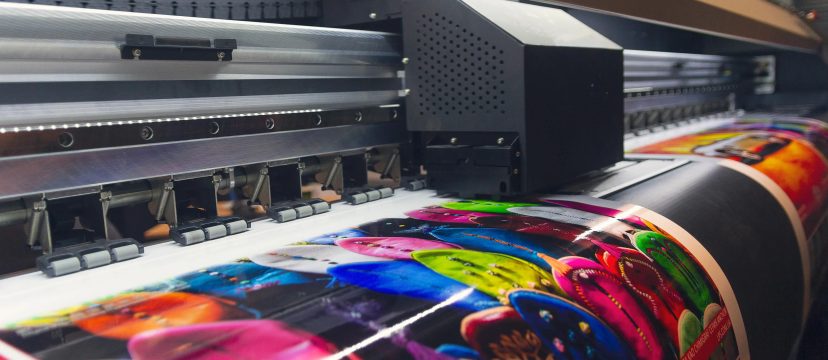
Digital printing has revolutionized the field of graphic design and printing industry, offering new possibilities and opportunities that were once unimaginable. With its advanced technology and capabilities, digital printing has become a popular choice for both small-scale projects and large-scale production. This article explores the concept, benefits, and applications of digital printing, shedding light on its immense impact on various industries.
Unlike traditional printing methods, such as lithography or screen printing, digital printing utilizes computer files to reproduce images or designs directly onto a wide range of materials. By eliminating the need for costly setup processes, plates, and screens, digital printing provides an efficient and cost-effective solution for businesses and individuals alike. Whether it is creating professional marketing materials, personalized commercial products, or exquisite art prints, digital printing offers unparalleled flexibility and accuracy.
The Benefits of Digital Printing
One of the key advantages of digital printing is its ability to provide high-quality prints with exceptional accuracy. Unlike traditional printing methods that often result in inconsistencies and variations, digital printing offers precise color matching and sharp image reproduction. This level of precision is especially crucial in industries such as commercial printing Commercial Printing Orange County, where companies rely on accurate reproduction of logos, branding materials, and promotional items. Additionally, digital printing allows for quick turnaround times as there is no need for lengthy setup procedures or specialized plates and screens. With the ability to print directly from a digital file, businesses can execute print projects efficiently and meet tight deadlines.
The versatility of digital printing extends beyond quality and speed. This modern printing technique enables customization and personalization on a massive scale. Businesses can easily tailor their marketing materials, packaging, or signage to specific target audiences or individual customers. For example, a retailer can print hundreds of unique labels with different names or images for personalized products. Digital printing also opens up possibilities for variable data printing, allowing companies to incorporate personalized messages or information into each print piece. Such personalized touch not only enhances brand recognition but also establishes a deeper connection with customers.
In conclusion, digital printing has revolutionized the graphic design and printing industry, offering unmatched flexibility, accuracy, and customization options. With its advanced technology, digital printing provides high-quality prints with precise color matching and sharp image reproduction. This level of precision is particularly important in industries where accurate portrayal of logos, branding materials, and promotional items is essential. Furthermore, digital printing allows for quick turnaround times and eliminates the need for lengthy setup procedures or specialized plates and screens. The versatility of this modern printing technique extends to customization and personalization on a massive scale, enabling businesses to tailor their materials to specific target audiences or individual customers. With its countless benefits and applications, digital printing continues to have a profound impact on various industries.